
 History of the First United Methodist Church of Toms River
The Church: Faith, Fellowship, and Growth
(1778–Present)
Origins in Faith and the Circuit Riders (1778–1828)
The Methodist story in Toms River begins in 1778, when Rev. Benjamin Abbott, an itinerant “circuit rider,” braved a nor’easter to deliver the first recorded Methodist sermon here. Riding twelve miles from Good Luck Point, Abbott preached in the home of Abiel Aikens on the south side of the Toms River—a home later burned during the Revolution.
These early preachers—Abbott, Freeborn Garretson, Ezekiel Cooper, and others—traveled on horseback through the pine woods and coastal settlements, proclaiming the Gospel from Mt. Holly to Barnegat and Manahawkin. Toms River soon became part of the Trenton Circuit, one of the early networks of Methodist societies in New Jersey.
The First Meeting House (1828)
By 1828, Toms River was a growing port of about 300 people. That year, local Methodists built their first Meeting House within what is now the Old Methodist Burying Ground at Washington Street and Hooper Avenue. The 24-by-30-foot wooden structure had a brick foundation, cedar shingles, and unpainted plaster walls—reflecting the Methodist emphasis on humility and simplicity.
The Second Church (1854–1874)
In 1854, a new church rose on the same corner, built in modified colonial style with high narrow windows and a colonnade front. It was the first in Toms River to have a church bell, cast in 1853 in West Troy, New York. During the Civil War, it became a center of solace and faith for families affected by the conflict.
 The Third House of Worship (1875–1973)
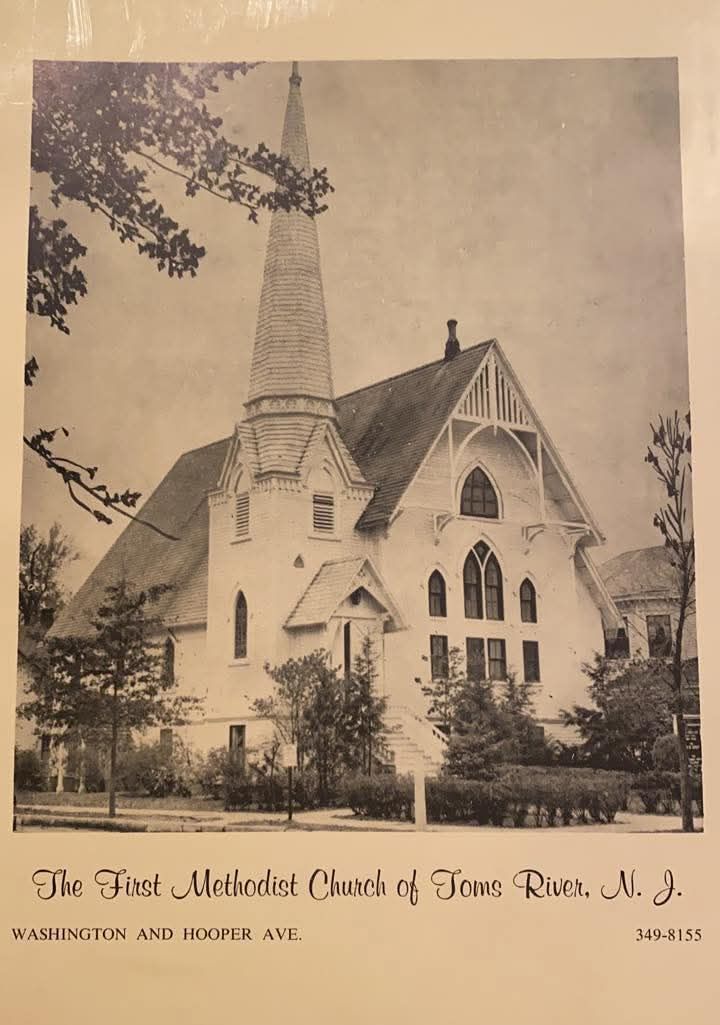
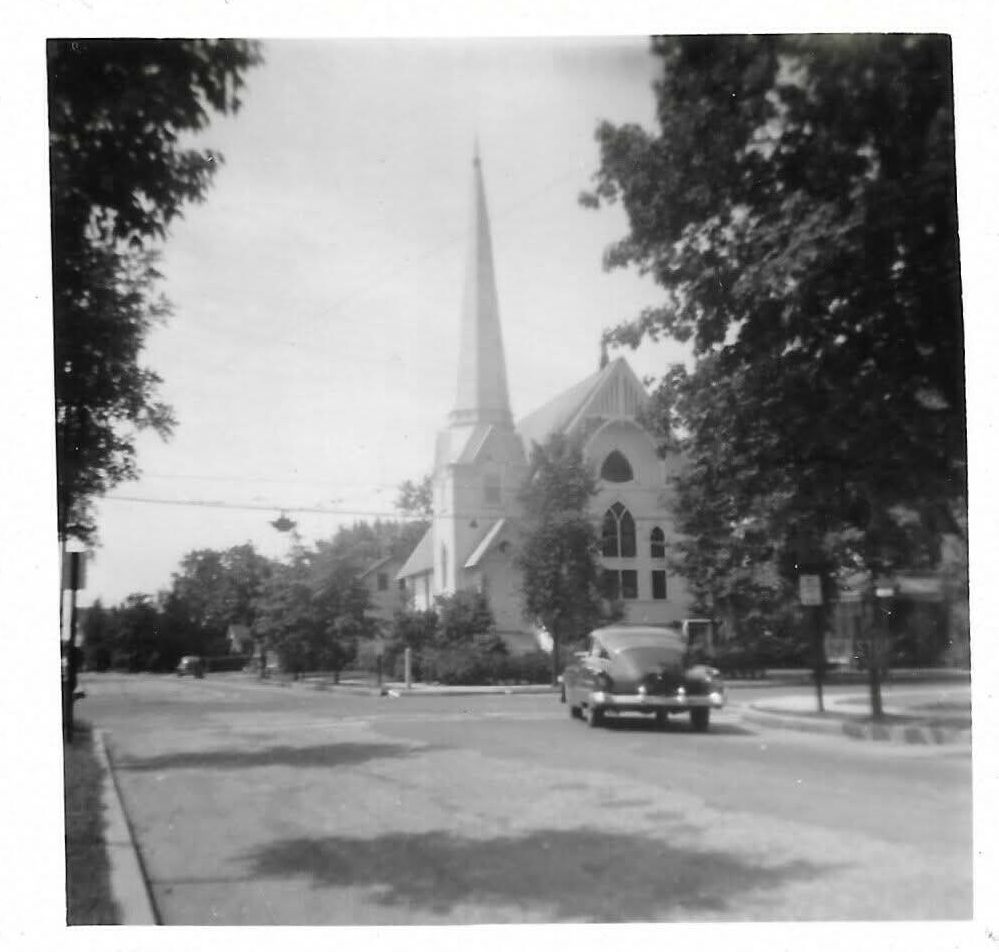
Dedicated in February 1875, the third church was constructed beside the parsonage in modified English Gothic style, featuring an 80-foot spire and stained-glass windows. Built entirely by community donations and volunteer labor, it became the heart of Methodist life for nearly a century, witnessing renovations during the Great Depression and periods of revival and growth.
The Fourth House of Worship (1975–Present)
Between 1973 and 1975, while the new church was under construction, worship was held in the Walnut Street Elementary School gymnasium. In 1975—exactly one hundred years after the dedication of the third church—the fourth house of worship was completed and dedicated. The modern building incorporated improved facilities while retaining Methodist warmth and tradition. The historic bell from the earlier churches was hung again, symbolizing the unbroken faith of generations.
In 2003, the congregation celebrated another milestone with the opening of the Family Life Center, expanding space for education, recreation, and mission—continuing the church’s long tradition of service to the wider community.
The Cemetery
The Old Methodist Burying Ground
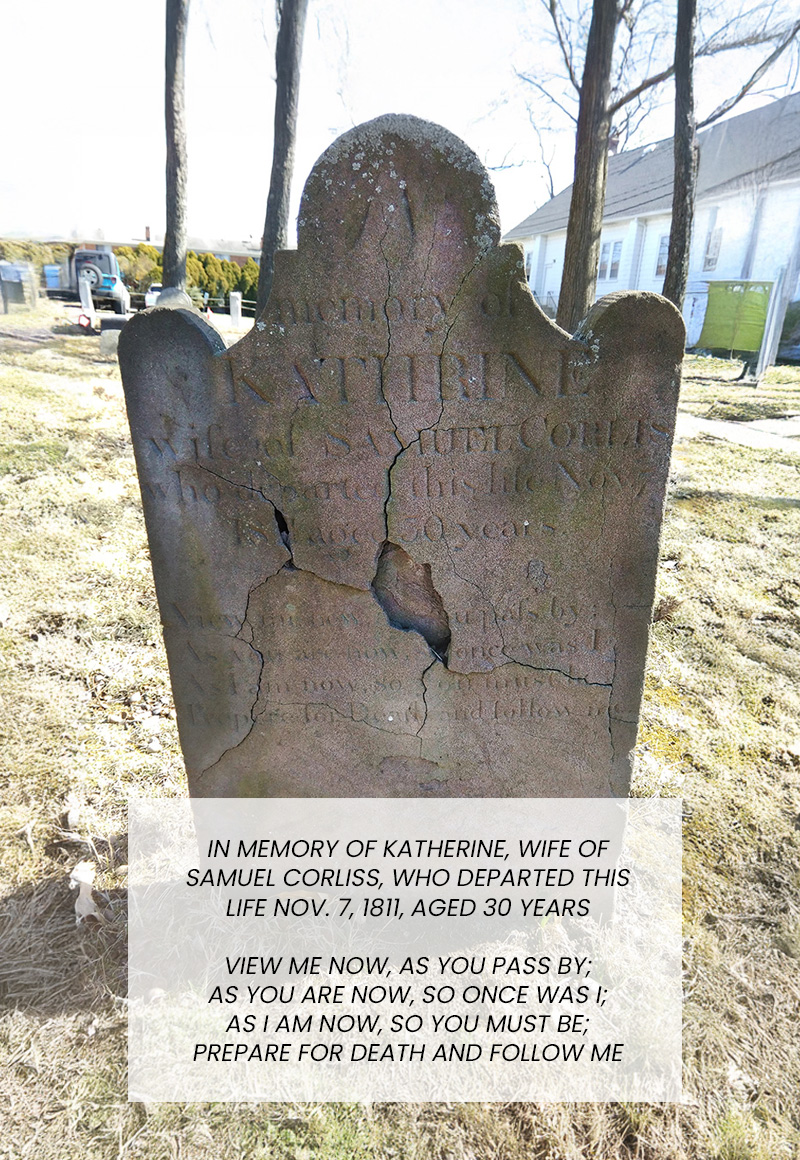
The Old Methodist Cemetery, at the southeast corner of Washington Street and Hooper Avenue, is the oldest surviving landmark of Methodist life in Toms River. It holds the remains of the church’s founders, early pastors, and veterans who built both the congregation and the town.
The first 1828 Meeting House once stood within its fence line. Though later sanctuaries rose elsewhere, the cemetery remains sacred ground—a living link to generations of faith.
Cemetery Preservation Project
Toward the 200th Anniversary (1828–2028)
In preparation for the 200th Anniversary in 2028, the Cemetery Preservation Project seeks to raise $25,000 to stabilize and restore this historic site. The project will fund professional headstone cleaning, resetting and other preservation work. A presentation is offered to any outside group who would like to hear the history of the Old Methodist Cemetery. Donations may be made online through the church’s giving portal or in person at the church office.
 The Church Historian & Committee on Records & History
From the 1876 trustees’ tin lockbox—built to store “all books and papers belonging to the M.E. Church”—to today’s digital archives, the First United Methodist Church of Toms River has cherished its story for nearly two centuries.
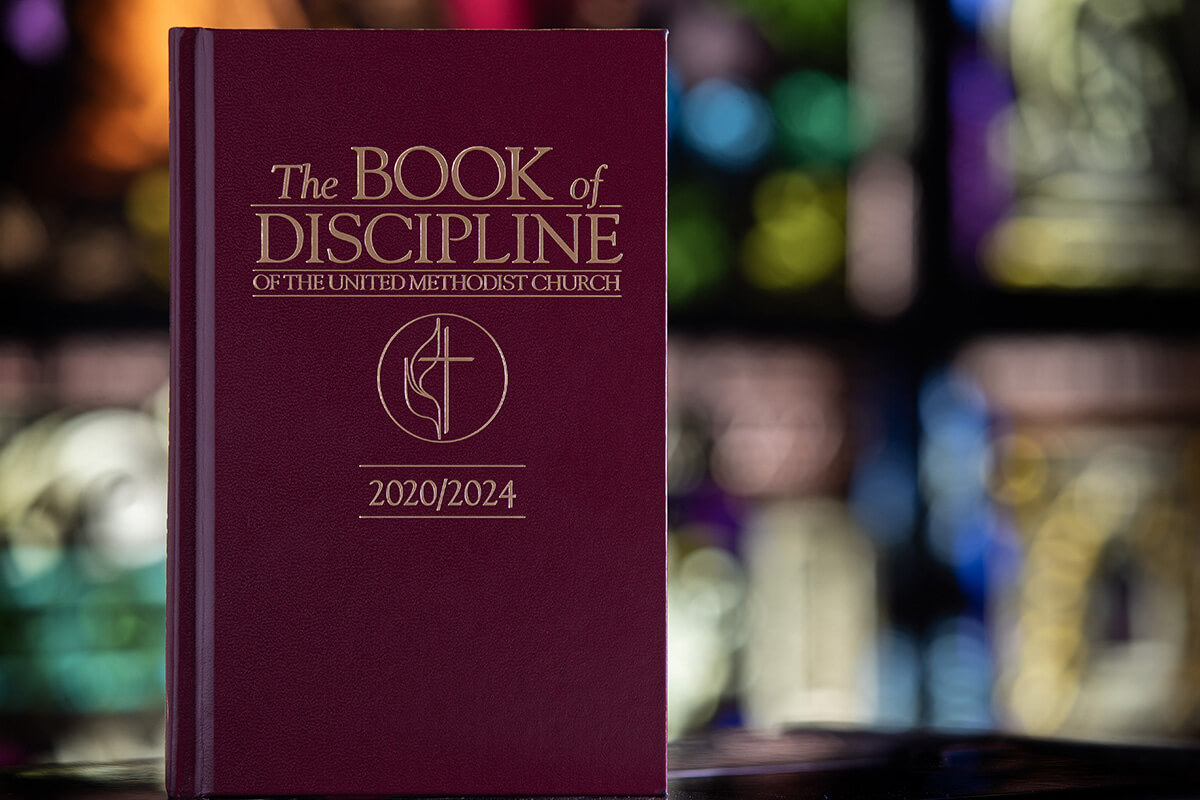
That legacy continues under the Church Historian and the Committee on Records & History, guided by The Book of Discipline of the United Methodist Church:
- “There shall be a local Church Historian and a Committee on Records and History, whose duties shall be to collect and preserve all historical materials of the congregation, to encourage the study of the history of the church, and to cooperate with the annual conference commission on archives and history.” — Book of Discipline ¶641.1–2 (2020 Edition)
- The Committee safeguards the congregation’s archives, maintains its historical properties, documents current ministries, and fosters appreciation for the church’s role in the spiritual and civic life of Toms River.
The creation of an archives and digitized collection is an ongoing process. If you find yourself called to this vocation please contact the church historian below.
For historical inquiries, volunteer opportunities, or record donations, please contact:
R. Joseph Latshaw III, Church Historian @ 732-998-5934 or by email at RJL072001@gmail.com
About This History
This narrative draws from two official congregational histories:
- The First United Methodist Church, Toms River, New Jersey, 1828–1978 (Committee on History, Evelyn Mitchell – Chair)
- Historical Summary, 1978–2003 (edited by John Steiner and Nancy Kaulback)
Together they record nearly two centuries of Methodist witness in Toms River—a story of steadfast faith, service, and community as the church approaches its 200th Anniversary in 2028.